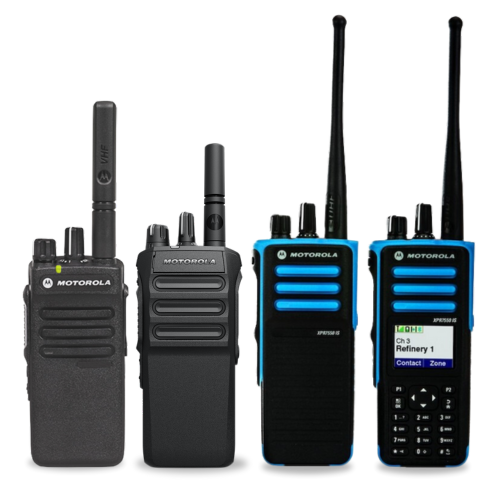


Buying walkie talkies may seem straightforward until you compare models, features, prices and suppliers. A device that works well for a small event may not suit a warehouse or security team.
Before placing an order, it helps to have a conversation with the supplier. The right questions help you understand what you are paying for and avoid unsuitable equipment. Here are ten practical questions to ask before you buy.
1. What Type of Walkie Talkie Is Suitable for My Business?
Start by explaining how you intend to use the radios. A supplier should recommend options based on your workplace rather than simply showing you the most expensive model.
A warehouse team may need clear communication across aisles, while an outdoor event crew may prioritise battery life. Construction workers may need stronger equipment.
Tell the supplier:
- How many people will use the radios
- Whether they will be used indoors or outdoors
- How long they will be used each day
- Whether users need hands-free communication
This gives the supplier a clearer picture of your needs.
2. What Communication Range Can the Walkie Talkies Provide?
Range is one of the first specifications buyers notice, but advertised distance does not always reflect real-world performance. Walls, buildings and other obstacles can affect the signal.
Ask the supplier about the expected range in an environment similar to yours. Explain your workplace layout and whether users need to communicate between floors or buildings.
Rather than focusing only on the largest number on a product specification, consider whether the radio can provide dependable communication where your team actually works.
3. Are the Walkie Talkies Licensed or Licence-Free?
Not every radio product has the same operating requirements. Before purchasing, ask the supplier whether the particular model requires any licence, registration or other regulatory consideration in Malaysia.
A responsible supplier should explain the requirements for the models they sell and direct you to the appropriate Malaysian authority when needed.
Sorting out requirements before purchasing can help prevent unnecessary complications later.
4. How Long Does the Battery Last?
A walkie talkie is only useful when it has enough power to get through the working day. Ask how long the battery is expected to last under typical usage and how long a full recharge takes.
Battery life can vary with usage and power settings. If your team works long shifts, ask whether spare batteries are available.
For larger teams, a simple charging routine helps ensure radios are ready before each shift.

5. Are the Walkie Talkies Durable Enough for My Work Environment?
Think about what the radios will experience during normal use. A device carried around a busy warehouse may be dropped or knocked against equipment. Outdoor teams may encounter rain, dust or changing weather conditions.
Ask about the model’s construction and any relevant water, dust or impact protection. You can also ask whether the manufacturer provides durability ratings or testing information.
The goal is not to buy the toughest radio available, but equipment that can handle the conditions your employees face.
6. Do You Provide Accessories and Spare Parts?
Accessories can make a difference to everyday use. Your team may need earpieces, headsets, belt clips, carrying cases, spare batteries or additional chargers.
Ask the supplier which accessories are compatible with the selected model and whether replacement parts are readily available.
This matters because finding a replacement battery or compatible charger later can be inconvenient, particularly when several units are in operation.
7. What Warranty and After-Sales Support Do You Provide?
The purchase does not end when the radios arrive. Walkie talkies may eventually need troubleshooting, repairs or replacement parts.
Ask what the warranty covers, how long it lasts and what happens if a unit develops a fault. It is also useful to know whether technical support and repair services are available locally.
For businesses that depend on constant communication, after-sales support matters as much as the purchase price.
8. Do You Offer Bulk Purchase or Rental Options?
If you need a large number of radios, ask whether the supplier provides bulk pricing. Buying several units at once may come with different pricing or package options.
You can also ask about renting walkie talkie equipment if you only need radios for a short-term project, conference, exhibition, concert or event.
Rental can make sense when purchasing would leave you with rarely used devices. Compare rental terms, accessories, support and duration before deciding.
9. Can I Test the Walkie Talkies Before Buying?
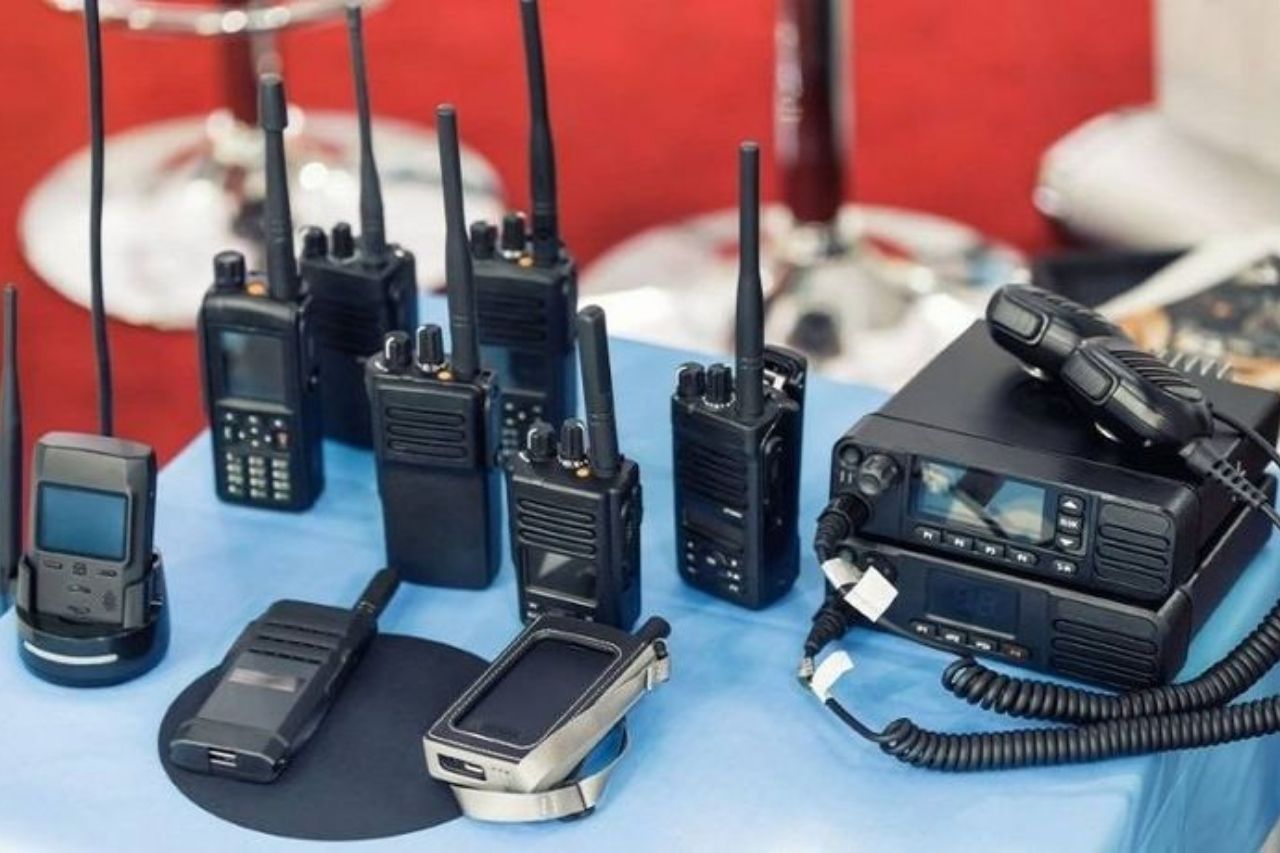
If a supplier can arrange a demonstration or trial, take advantage of it. Product specifications tell you useful information, but using a radio yourself can reveal things that numbers cannot.
Pay attention to:
- How clear voices sound
- How easy the buttons are to operate
- Whether the device feels comfortable to carry
- How quickly users can access important functions
- Whether the signal performs well in your working environment
Letting a few employees try the equipment can provide practical feedback before a larger purchase.
10. What Is Included in the Quoted Price?
Before comparing prices, make sure you know exactly what each quotation includes. Two suppliers may quote different amounts while offering different packages.
Ask whether the price covers:
- Batteries and chargers
- Programming or setup
- Accessories
- Warranty coverage
- Delivery
- Technical support
- Maintenance services
This helps you compare the actual cost instead of choosing based on the headline price. A cheaper unit may require additional purchases.
How to Compare Suppliers After Asking These Questions
Once you have spoken to several suppliers, put the information side by side. A simple checklist can be enough.
Look at product suitability, range, battery performance, durability, accessories, warranty, support, availability and overall cost. Consider whether the supplier understands your use case and answers questions clearly.
A quality walkie talkie is not simply one with the longest range or highest price. It should be appropriate for the environment, practical for users and supported by a supplier that can help when questions or problems arise.
Taking extra time can make purchasing easier and help businesses avoid replacing unsuitable equipment.
Final Thoughts
Choosing communication equipment is about matching the product to the people and environment that will use it. By asking these ten questions, you can get a clearer picture of the equipment, costs and support available before making a purchase.
When comparing a walkie talkie supplier Malaysia, do not look at the product alone. Consider the supplier’s ability to recommend suitable models, explain operating requirements, provide accessories and support you after the sale.
A careful conversation before buying can save time and reduce surprises. Whether you need a few radios or a larger set, questions give you a stronger starting point.
Send Us An Enquiry Today!
We offer telecommunication equipment, systems consultancy, integration, and after-sales services.