Reliable communication can make a big difference when people need to coordinate across a busy site. This is where radios become useful.
However, buying a set is not always practical. If you only need radios for a short period, have changing team sizes or do not want to handle maintenance, renting can be a simpler option. The decision depends on usage, features and project duration.
1. You Only Need Walkie Talkies for a Short-Term Event
If your communication needs are limited to a few days or weeks, purchasing a full set may leave you with equipment sitting unused afterwards. This is common for weddings, concerts, exhibitions, festivals, sports events and corporate functions.
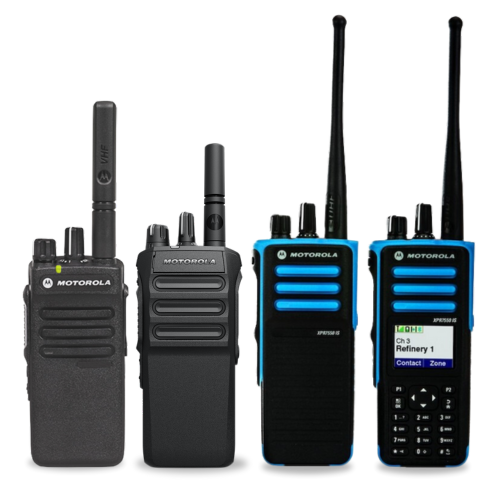
A walkie talkie rental arrangement lets you get the number of radios needed without keeping them permanently. Once the event ends, the equipment can be returned.
For a one-off project, ask:
- How many staff need a radio?
- How many days will the equipment be used?
- Are earpieces or spares required?
2. Your Communication Needs Change from Project to Project
An event might need ten radios one month and twenty-five for a larger function later. Buying for the biggest project can leave unused units during quieter periods.
Renting gives you room to adjust. You can choose a quantity based on the current job instead of building permanent stock that may not always be needed. This flexibility can help event companies, contractors and businesses handling temporary projects.
3. You Do Not Want to Handle Maintenance
Owning equipment also means taking responsibility for its condition. Batteries need to be charged and replaced when necessary, while radios may require cleaning, inspection or service and repair when problems appear.
For businesses without an equipment management process, this can become an extra task. Storage is another consideration, especially for batteries and accessories.
With rental, some responsibilities can be reduced depending on the provider and agreement. Ask what is included before booking, especially if your project depends heavily on uninterrupted communication.

4. You Need Different Features for Different Situations
A small indoor event may not require the same radio as a large outdoor site. Range, battery life, durability and accessories can all affect how useful a walkie talkie is in practice.
Some users may also need hands-free operation through an earpiece. Before choosing equipment, consider:
- Where will the radios be used?
- How far apart will team members normally be?
- Will the radios be exposed to rain or dust?
- How long will each shift last?
Renting can make sense when you want equipment that matches a particular job rather than one standard model for every situation.
5. You Want to Test Equipment Before Buying
Sometimes the only way to know whether a radio works well for your team is to use it in a real environment. Specifications cannot always show how comfortable equipment will be during a full working day.
A rental period can give your team an opportunity to assess the radios before committing to a purchase. Staff can see whether the range is adequate, whether the controls are easy to understand and whether the battery lasts through normal shifts.
Testing first may reveal practical issues that are easy to overlook when comparing products.
6. You Need Extra Units During Busy Periods
You do not necessarily have to choose between renting and buying. Businesses that already own radios can rent additional units when demand temporarily increases.
Imagine a security company that normally has enough radios for its regular team but takes on a large event. Buying another twenty units may not be worthwhile if they will rarely be used after that event. Renting the extra equipment can fill the temporary gap.
Rental can act as a short-term extension to your existing communication setup.

7. You Want to Avoid a Large Upfront Cost
Buying communication equipment requires an upfront investment. The cost can also include batteries, chargers, storage and maintenance. For a business with limited or unpredictable usage, paying for everything at once may not be necessary.
Rental lets you pay for access during the period you need the equipment. That does not automatically mean renting will cost less over the long term. If radios are used constantly for years, purchasing may make more financial sense.
Compare expected usage, ownership duration and ongoing costs, not just the purchase price and rental rate.
8. When Buying Walkie Talkies May Make More Sense
There are situations where ownership can be practical. If your team uses radios almost every day, having a dedicated set can make sense. You may also prefer owning equipment when staff are familiar with a particular model and you have a proper system for charging, storing and maintaining it.
Buying may be worth considering when:
- Radios are needed throughout the year.
- The number of users is relatively consistent.
- Your business has suitable storage.
- Your team can manage charging and maintenance.
- You need the same equipment available at short notice.
Look at actual usage rather than assuming one option is always better.
9. Questions to Ask Before Choosing
Before making a decision, write down your communication requirements. A few questions can make the comparison clearer.
How many people will need radios? How long will they use them? What range is required? Will the equipment be used indoors, outdoors or across a large site? Do you need headsets, spare batteries or chargers? What happens if a radio stops working?
It is also useful to ask the rental provider about equipment condition, collection and return arrangements, included accessories and support during the rental period. Understanding these details can help you choose a suitable walkie talkie rental package without paying for features you do not need.
For many organisations, the decision becomes clearer when they separate occasional communication needs from equipment supporting everyday operations. This distinction can prevent unnecessary spending and storage.
Conclusion
Walkie talkies are useful when teams need quick and direct communication, but owning them is not always the only option. Renting can be practical for short-term events, changing team sizes, temporary projects, equipment testing and periods of unusually high demand.
On the other hand, businesses that use radios frequently and consistently may find ownership more convenient. Consider expected usage, team size, duration, requirements and responsibilities.
If your need is temporary or likely to change, rental gives you the flexibility to get equipment when you need it and return it afterwards. If radios are a regular part of daily operations, compare the long-term costs and responsibilities before making a decision.
Send Us An Enquiry Today!
We offer telecommunication equipment, systems consultancy, integration, and after-sales services.