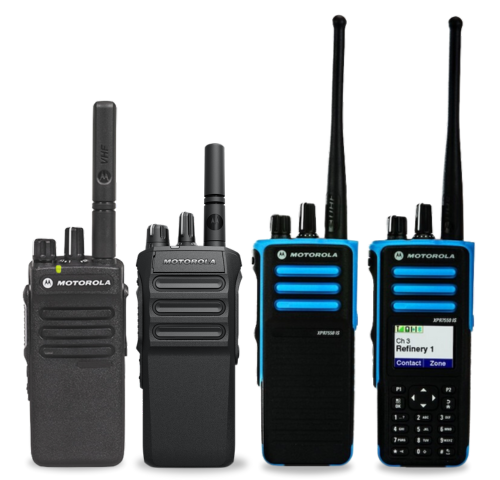


Outdoor events often involve large spaces, multiple teams, and changing situations that require fast and reliable communication. From event organizers and security personnel to technical crews and support teams, effective coordination is essential to ensure smooth operations. While mobile phones are commonly used, they may not always provide the speed and reliability needed in busy outdoor environments.
Using a walkie-talkie for outdoor events provides a practical communication solution that enables teams to stay connected instantly and coordinate efficiently. Walkie-talkies provide quick push-to-talk communication, making them ideal for festivals, concerts, sports events, corporate gatherings, exhibitions, and outdoor activities. However, proper planning and usage practices are essential to ensure walkie-talkies deliver maximum effectiveness.
By following the right practices, event teams can improve communication, respond quickly to issues, and create a safer experience for attendees and staff.
1. Choose the Right Walkie-Talkie Equipment
Selecting suitable equipment is the first step to effective communication during outdoor events. Not all walkie-talkies are designed for the same conditions, so event organizers should consider the event size, location, and communication requirements.
Important factors to consider include:
- Communication range
- Battery life
- Weather resistance
- Audio clarity
- Number of users
- Frequency compatibility
For large outdoor venues, walkie-talkies with longer communication ranges may be required. Events held in challenging weather conditions may also benefit from durable units designed to withstand outdoor environments.
Choosing the right equipment ensures teams can communicate clearly throughout the event.
2. Plan Communication Channels Before the Event
Effective communication planning reduces confusion and allows multiple teams to use walkie-talkies efficiently during events. Before the event begins, organizers should establish clear communication channels based on different responsibilities.
For example:
- Channel 1: Event management team
- Channel 2: Security team
- Channel 3: Technical and production crew
- Channel 4: Emergency response team
Assigning dedicated channels allows teams to communicate efficiently without interrupting other departments. Clear planning also helps staff know where to report specific issues.
3. Train Staff on Proper Walkie-Talkie Usage
Even experienced teams can face communication problems if users are unfamiliar with walkie-talkie operations. Providing basic training before an event helps ensure everyone understands proper communication procedures.
Training should cover:
- How to operate the device
- How to change channels
- Proper speaking techniques
- Emergency communication procedures
- Battery management
Users should also understand basic radio etiquette, such as waiting for the channel to be clear before speaking and keeping messages short and clear.
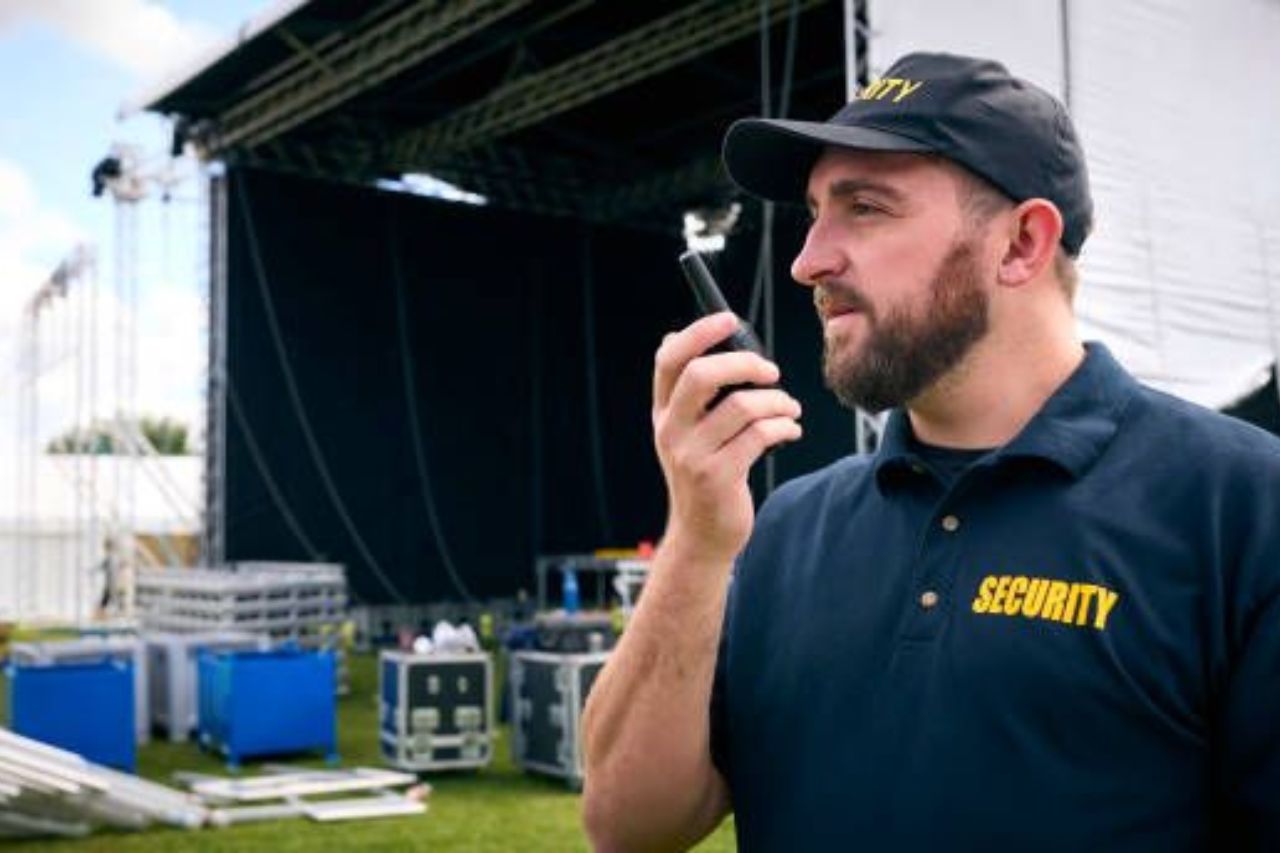
4. Use Clear and Concise Communication
Outdoor events often involve noise from crowds, music, equipment, and surrounding activities. Clear communication is essential to avoid misunderstandings.
Best practices include:
- Speak slowly and clearly
- Keep messages brief
- Identify yourself before speaking
- Confirm important information
- Avoid unnecessary conversations
For example, teams should keep messages brief and focused by including essential information such as location, issue details, and required actions. Effective communication saves time and helps teams respond faster.
5. Conduct Equipment Testing Before the Event
Testing walkie-talkies before the event helps identify potential problems before operations begin. Organizers should check all equipment to ensure proper functionality.
Testing should include:
- Signal range checks
- Audio quality tests
- Battery performance
- Channel settings
- Accessories such as earpieces or headsets
A pre-event communication test allows teams to confirm that everyone can communicate effectively across the venue.
6. Prepare Extra Batteries and Accessories
Outdoor events can last several hours or even multiple days, making battery management an important consideration. A walkie-talkie with a low battery can interrupt communication during critical moments.
Event organizers should prepare:
- Spare batteries
- Charging stations
- Additional earpieces
- Replacement accessories
Having backup equipment ensures communication remains available throughout the event.
7. Assign Communication Leaders
Large outdoor events benefit from having designated communication coordinators. These individuals help manage information flow and ensure important updates reach the right teams.
Communication leaders can:
- Monitor different channels
- Coordinate team responses
- Handle urgent messages
- Reduce unnecessary radio traffic
A structured communication system prevents confusion and improves overall event management.
8. Consider Weather and Environmental Conditions
Outdoor events are affected by environmental factors such as rain, humidity, heat, and large crowds. These conditions can influence equipment performance and communication quality.
When selecting and using a walkie-talkie for outdoor events, consider:
- Weather-resistant equipment
- Protective covers
- Secure storage locations
- Proper handling procedures
Protecting communication equipment helps maintain reliable performance throughout the event.
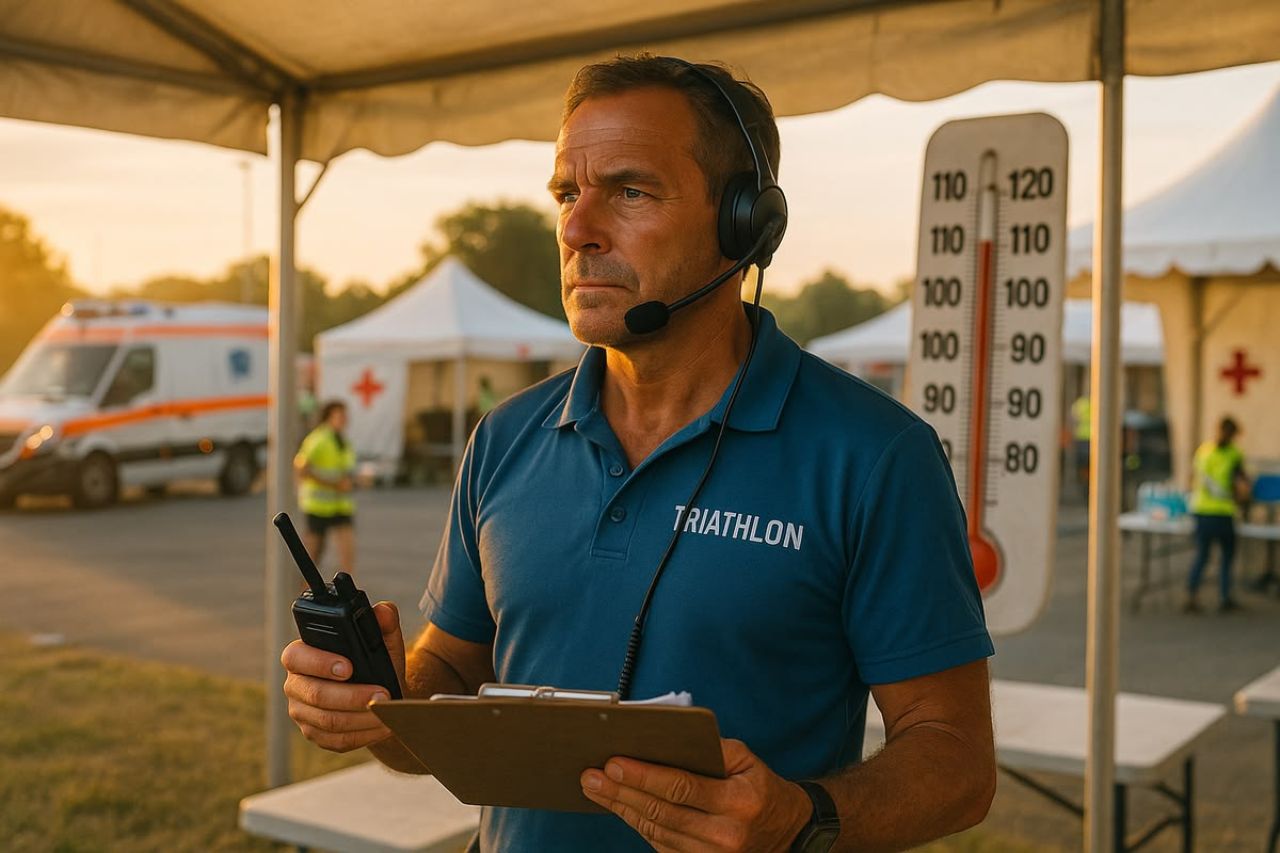
9. Use Accessories for Better Communication
Accessories can improve the convenience and effectiveness of walkie-talkies during outdoor events. For teams working in noisy environments, additional accessories can make communication easier.
Useful accessories include:
- Earpieces
- Headsets
- Shoulder microphones
- Carrying cases
- Additional chargers
For security teams and event coordinators, hands-free communication allows them to stay focused while managing responsibilities.
10. Establish Emergency Communication Procedures
Outdoor events should always have emergency communication plans. In unexpected situations, fast coordination can help protect attendees and staff.
Emergency procedures should include:
- Emergency channel assignments
- Contact persons
- Reporting procedures
- Evacuation communication plans
All relevant team members should understand how to communicate during emergencies to ensure quick responses.
Benefits of Using Walkie-Talkies for Outdoor Events
Using a walkie-talkie for outdoor events offers several advantages over other communication methods, especially in terms of speed and reliability.
Instant Communication
Walkie-talkies allow teams to communicate immediately without dialing numbers or waiting for calls to connect.
Reliable Connectivity
Unlike mobile phones, walkie-talkies can continue working in areas with limited mobile network coverage.
Better Team Coordination
Multiple departments can communicate efficiently, improving event organization and response time.
Cost-Effective Communication
For temporary events, renting walkie-talkies can provide reliable equipment without requiring a long-term investment.
Common Mistakes to Avoid
To ensure effective communication, event teams should avoid common mistakes such as:
Not Testing Equipment
Failing to test devices before the event may lead to unexpected communication problems.
Overcrowding Communication Channels
Too many users on one channel can create confusion and delay important messages.
Ignoring Battery Management
Insufficient battery preparation can interrupt communication during critical situations.
Using Unclear Messages
Long or unclear messages can cause misunderstandings and slow down team responses.
Conclusion
Using a walkie-talkie for outdoor events effectively requires proper planning, suitable equipment, and clear communication practices. From selecting the right devices and organizing channels to training staff and preparing emergency procedures, every step contributes to smoother event operations.
Reliable communication allows event teams to coordinate activities, manage challenges, and respond quickly when needed. By following these best practices, organizers can create safer, more efficient, and better-managed outdoor events.
Send Us An Enquiry Today!
We offer telecommunication equipment, systems consultancy, integration, and after-sales services.