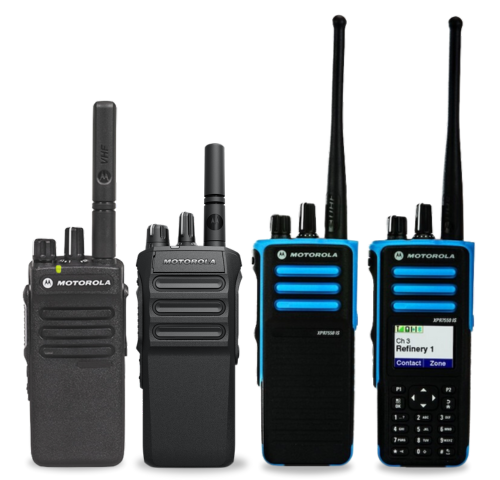


In the fast-paced world of event management, effective communication is critical. Large events, festivals, conferences, and live performances involve multiple teams working simultaneously, from security and logistics to technical crews and guest services. Miscommunication can lead to delays, safety risks, or a poor attendee experience. While smartphones are common, they can be unreliable in demanding settings due to network overloads, short battery life, and difficulties coordinating multiple team members.
This is where walkie-talkies become indispensable. Choosing the right walkie-talkie ensures that your event management team can communicate efficiently, stay coordinated, and respond promptly to unexpected situations. In this article, we explore key considerations and benefits for selecting the ideal walkie-talkie for event operations.
Why Walkie-Talkies Are Essential for Event Management
Event management teams face unique challenges that demand instant, reliable communication. A single miscommunication can disrupt schedules, compromise safety, or affect the overall experience of attendees. Walkie-talkies address these challenges by offering:
- Instant Push-to-Talk (PTT) Communication: Messages are transmitted immediately, without dialing numbers or waiting for apps to load.
- Group Communication: Teams can be organized into channels, allowing multiple people to communicate simultaneously.
- Independent Operation: Unlike mobile phones, walkie-talkies do not rely on cellular networks, making them reliable in areas with weak or overloaded signals.
These features make walkie-talkies a professional-grade tool for managing large events with multiple teams and responsibilities.
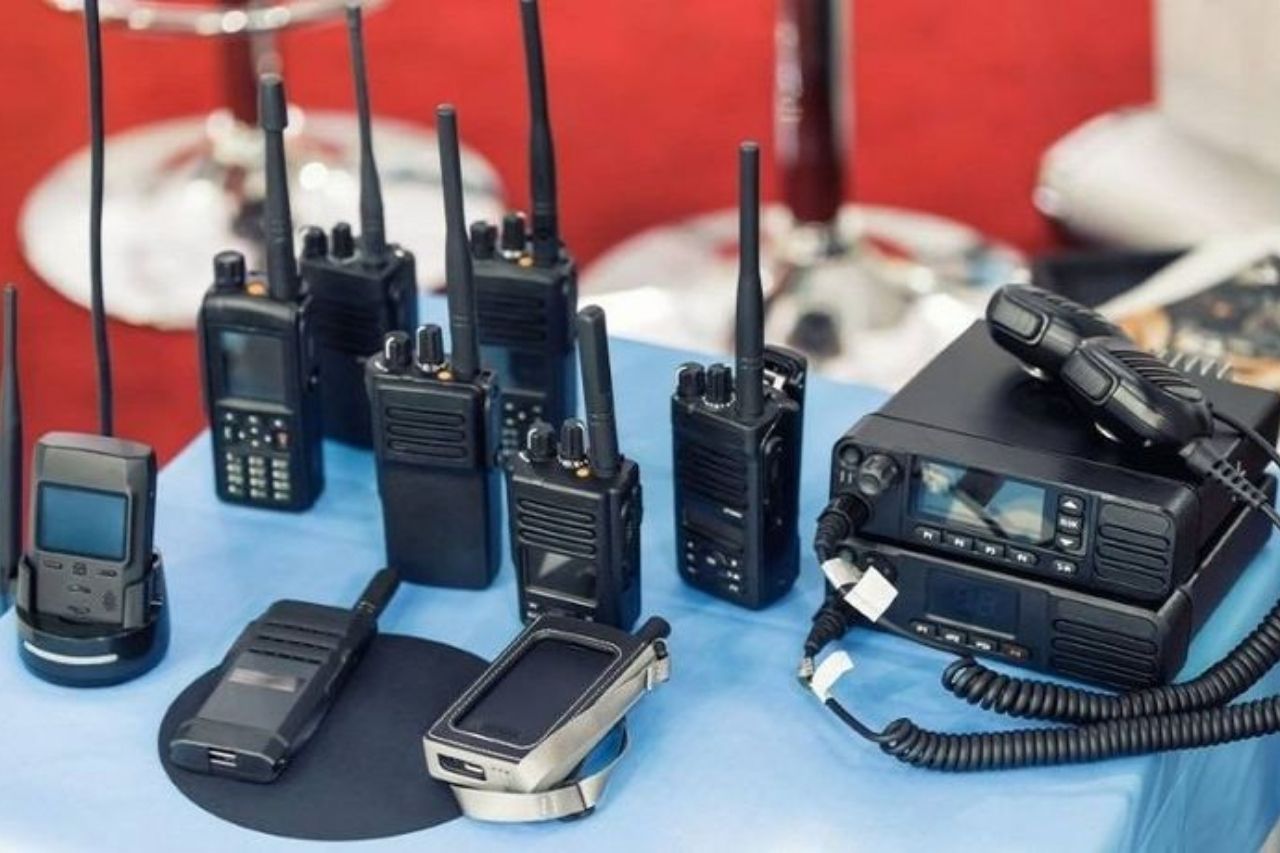
Key Factors When Choosing Walkie-Talkies
Selecting the right walkie-talkie involves considering the specific needs of your event and team. Key factors include:
1. Communication Range
The range of communication is a crucial factor, especially for outdoor events, large venues, or multi-floor facilities. Walkie-talkies come in varying ranges, typically measured in kilometers or miles.
- Short-range models (up to 2–3 km) are suitable for small indoor events or single-venue conferences.
- Medium-range models (3–8 km) work well for larger convention centers, stadiums, or urban outdoor events.
- Long-range models (8 km or more) are ideal for festivals, outdoor concerts, or sprawling event sites.
Choosing the right range ensures that your team remains connected, regardless of the venue size.
2. Battery Life
Events often run for several hours or even days, so battery life is a critical consideration. Long-lasting batteries in walkie-talkies ensure uninterrupted communication, eliminating downtime caused by frequent recharges.
- Lithium-ion batteries offer longer life and faster charging.
- Removable batteries allow quick swaps during long shifts.
- Certain models feature power-saving modes that prolong battery life and extend usage.
3. Audio Clarity and Noise Reduction
Event environments are typically noisy, with music, crowds, or machinery creating significant background sound. Walkie-talkies with noise-cancelling technology and clear audio output ensure that messages are understood the first time correctly.
- Choose models with high-quality speakers and microphones.
- Look for noise-reduction or voice-enhancement features.
- Adjustable volume and earpiece compatibility improve communication in crowded spaces.
4. Durability and Weather Resistance
Managing events often means working in outdoor or challenging conditions. Durable, weather-resistant walkie-talkies are crucial for ensuring dependable communication in any environment.
- Look for IP-rated devices for water and dust resistance.
- Shock-resistant and rugged designs withstand drops or impacts.
- Lightweight models reduce fatigue for staff carrying radios for extended periods.
5. Channels and Group Management
Large events require multiple teams to operate simultaneously without interruption. Walkie-talkies with multiple channels allow separate groups to communicate independently.
- Security, logistics, technical, and guest services teams can each have their own channel.
- Some models allow for priority channels for urgent communication.
- With digital radios, teams benefit from more efficient channel control and less interference.
6. Ease of Use
Event staff often includes temporary personnel or volunteers who may not be familiar with radio operations. Choosing walkie-talkies with intuitive controls ensures that everyone can communicate efficiently from day one.
- Simple push-to-talk buttons.
- Clear displays for channel selection.
- Minimal programming requirements.
Benefits of Using Walkie-Talkies for Event Teams
1. Real-Time Coordination
Walkie-talkies enable instant communication across teams, helping coordinators manage tasks efficiently. Whether moving equipment, adjusting schedules, or responding to emergencies, team members can act without delay.
2. Enhanced Safety
Safety is a top priority in event management. Walkie-talkies allow staff to report hazards, lost items, or medical emergencies immediately, ensuring swift action and minimizing risks. Some models include emergency alert features that notify supervisors instantly.
3. Increased Efficiency and Productivity
When communication is seamless, teams can coordinate tasks without interruptions. Staff can communicate progress and act on requests instantly, improving operational flow and cutting unnecessary delays.
4. Cost-Effective Solution
Compared to relying on mobile phones, walkie-talkies eliminate data charges and reduce communication delays. For temporary or seasonal events, radio rental services offer professional-grade devices without a significant upfront investment.
5. Improved Team Collaboration
Walkie-talkies strengthen team collaboration by keeping everyone connected. Teams can quickly clarify instructions, share updates, and provide feedback in real time, reducing misunderstandings and boosting morale.
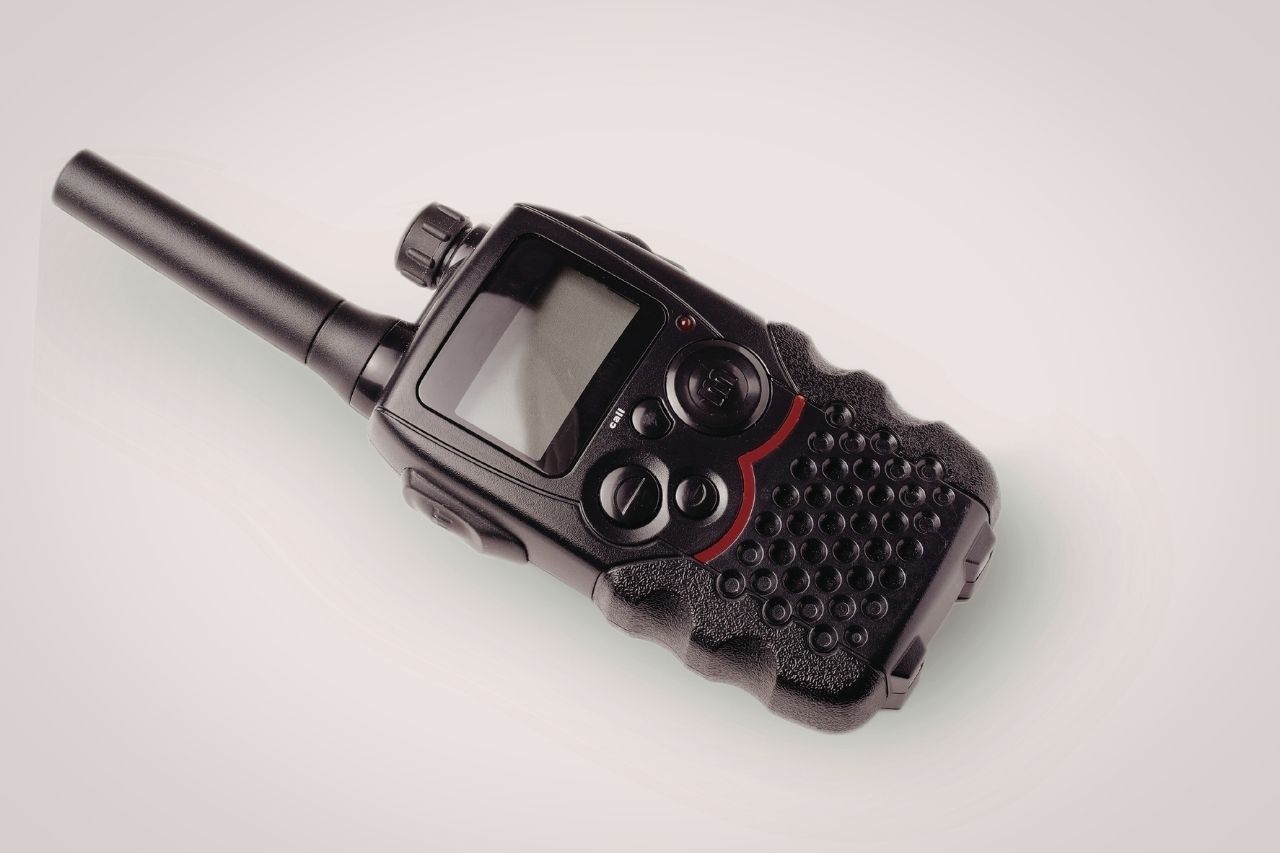
Choosing Between Analog and Digital Walkie-Talkies
Walkie-talkies are available in analog and digital formats, each with unique advantages:
- Analog Radios:
- Simpler and often more affordable.
- Adequate for smaller events with basic communication needs.
- Easier to operate with minimal training.
- Digital Radios:
- Provide clearer audio, especially over longer distances.
- Support encryption, ensuring secure communication.
- Offer advanced features like GPS tracking, group management, and integration with dispatch systems.
- Better suited for large-scale events with multiple teams.
Choosing the right type depends on budget, event size, and operational requirements.
Additional Features to Consider
Event management teams may benefit from walkie-talkies with additional functionalities:
- VOX (Voice-Activated Transmission): Enables hands-free operation, ideal for staff managing equipment or multitasking during events.
- Text Messaging: Some digital radios support short text messages between radios for discreet communication.
- GPS Integration: Enables tracking of team members’ locations, improving response times and coordination.
- Programmable Buttons: Staff can use customizable buttons to reach key functions instantly, improving operational efficiency.
These features enhance usability and efficiency, ensuring that communication supports operational demands rather than complicating workflows.
Partnering with the Right Supplier
Selecting the right walkie-talkie supplier ensures access to reliable devices, technical support, and maintenance services. Reputable suppliers offer:
- Certified and tested devices suitable for professional use.
- Training for staff to maximize device effectiveness.
- Rental options for short-term events or temporary needs.
- Ongoing support for repairs, programming, or replacement.
Partnering with a trusted supplier minimizes downtime and ensures that your event team can rely on their communication tools under any circumstances.
Conclusion
For event management teams, effective communication is essential. Walkie-talkies provide instant, dependable, and scalable communication, keeping teams synchronized, enhancing safety, and increasing operational efficiency. Choosing the right model depends on factors such as range, battery life, audio clarity, durability, channels, and ease of use, ensuring it fits the size and demands of your event.
Equipping staff with professional-grade walkie-talkies helps streamline workflows, reduce miscommunication, and improve response times. Whether managing concerts, festivals, conferences, or corporate events, the right walkie-talkie ensures teams can communicate efficiently, act quickly, and deliver a smooth and successful experience. Investing in these tools today means safer and more seamless events tomorrow.
Send Us An Enquiry Today!
We offer telecommunication equipment, systems consultancy, integration, and after-sales services.