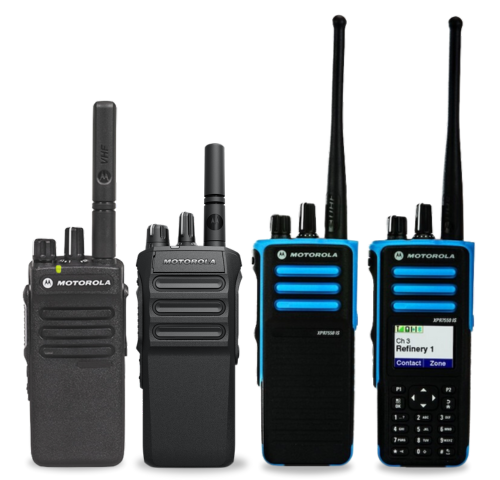


Choosing the right communication tool can make a noticeable difference in how smoothly daily operations run. Whether it’s for construction sites, event management, security teams, or even small business coordination, clear and instant communication is often the backbone of efficiency. That’s where a Motorola two way radio comes in. Known for reliability and performance, it remains a preferred choice across many industries. However, not all radios are built the same, and selecting the right one requires a bit of thoughtful consideration.
Understand Your Usage Environment
The first thing to think about is where the radio will actually be used. Environment plays a major role in how well a device performs. A radio that works perfectly in an office setting might struggle on a construction site or in a dense urban area.
Indoor environments often involve walls, floors, and other barriers that can weaken signals. On the other hand, outdoor settings may require longer range and weather resistance. If the job involves exposure to dust, rain, or rough handling, durability becomes a key factor.
For example, teams working in warehouses may prioritize signal penetration through structures, while outdoor teams need strong range and rugged design. Understanding this early helps narrow down your options significantly.
Determine the Required Range
Range is one of the most commonly misunderstood features when buying a two-way radio. Many products advertise impressive distances, but real-world performance often depends on surroundings.
Several factors affect range, including
- Physical obstacles like buildings, trees, and terrain
- Frequency type (UHF works better indoors, VHF is ideal for open spaces)
- Signal interference from other devices
It’s important to be realistic about how far your team actually needs to communicate. For smaller areas like retail stores or restaurants, short-range radios may be sufficient. Larger sites, such as construction zones or outdoor events, require more powerful units.
Choose Between Analog and Digital Radios
Another important decision is whether to go for analog or digital radios. Both have their place, depending on your needs and budget.
Analog radios are straightforward and often more affordable. They are easy to use and suitable for smaller teams with basic communication needs. However, digital radios offer several advantages that are hard to ignore.
Digital radios typically provide:
- Clearer audio quality, even at the edge of coverage
- Better battery efficiency
- Enhanced features like text messaging or encryption
While digital options may cost more upfront, they often deliver better performance and long-term value. Businesses planning to scale or operate in demanding environments usually find digital radios more practical.

Evaluate Battery Life and Power Options
Battery life is something that tends to be overlooked until it becomes a problem. A radio that dies halfway through a shift can disrupt operations and create unnecessary stress.
When evaluating battery performance, consider how long the device needs to last on a single charge. For teams working long hours, extended battery life is essential. Lithium-ion batteries are commonly preferred due to their reliability and faster charging times.
It’s also worth looking into charging options. Multi-unit chargers can be useful for teams, allowing several devices to charge simultaneously. This keeps everything organized and ready for the next shift.
Simple habits can also help extend battery life, such as turning off unused features or following proper charging cycles.
Consider Durability and Build Quality
Not all radios are designed to handle tough conditions. If your work environment involves heavy use, drops, or exposure to the elements, durability should be a top priority.
Look for radios with solid construction and protective features like water and dust resistance. Devices with higher IP ratings are better suited for challenging environments. A well-built radio doesn’t just last longer; it also reduces the chances of unexpected breakdowns during critical moments.
For industries like construction, security, or outdoor events, investing in a rugged device is often the smarter choice.
Look at Features That Match Your Needs
Modern two-way radios come with a wide range of features, but not all of them are necessary for every user. The key is to focus on what actually adds value to your operations.
Some useful features include:
- Noise cancellation for clearer communication in loud environments
- Emergency alert buttons for safety situations
- VOX (voice-activated transmission) for hands-free use
- GPS tracking for monitoring team locations
While it can be tempting to go for the most advanced model, it’s better to choose a device that aligns with your daily needs. Paying for features that go unused doesn’t add much value in the long run.
Think About Team Size and Scalability
The size of your team plays a role in determining the type of radio system you need. Smaller teams may only require a few channels, while larger operations need more advanced systems to handle multiple groups.
Scalability is also important. As your business grows, your communication system should be able to grow with it. Choosing a radio that supports expansion can save time and cost later.
For larger setups, licensing requirements may come into play. It’s worth checking local regulations to ensure compliance before making a purchase.

Budget vs Long-Term Value
Price is always a factor, but it shouldn’t be the only one. Cheaper radios might seem appealing at first, but they often come with trade-offs in durability and performance.
A Motorola two way radio is generally seen as a long-term investment. While the initial cost may be higher, the reliability and build quality often justify the price. Over time, this can actually reduce replacement and maintenance costs.
The is another point worth considering. With proper care, these devices are built to last for several years. Their sturdy design and dependable components mean fewer breakdowns and less frequent replacements. For businesses that rely heavily on communication, this kind of durability can make a real difference.
Check Compatibility and Accessories
Accessories can greatly enhance how a radio is used in daily operations. Items like earpieces, headsets, and speaker microphones allow for more flexibility, especially in busy or noisy environments.
Before making a purchase, it’s a good idea to check what accessories are available and whether they are compatible with your chosen model. Having access to spare parts and replacements is equally important, as it ensures the system remains functional over time.
Sticking with a well-known brand often makes this easier, as accessories and support are usually more widely available.
Buy from a Trusted Supplier
Where you buy your radio matters just as much as what you buy. A trusted supplier can provide proper guidance, helping you choose the right model based on your needs.
They can also offer:
- Warranty coverage for peace of mind
- Technical support for setup and troubleshooting
- Genuine products that meet quality standards
Avoiding unreliable sellers reduces the risk of ending up with counterfeit or low-quality devices. This is especially important for businesses that depend on consistent communication.
Conclusion
Choosing the right Motorola two way radio isn’t just about picking a popular model. It involves understanding your environment, team size, and daily communication needs. From range and battery life to durability and features, each factor plays a role in ensuring the device performs as expected.
By taking the time to evaluate these aspects carefully, it becomes much easier to find a solution that fits seamlessly into your workflow. In the end, the right choice supports better coordination, improves safety, and helps teams stay connected when it matters most.
Send Us An Enquiry Today!
We offer telecommunication equipment, systems consultancy, integration, and after-sales services.