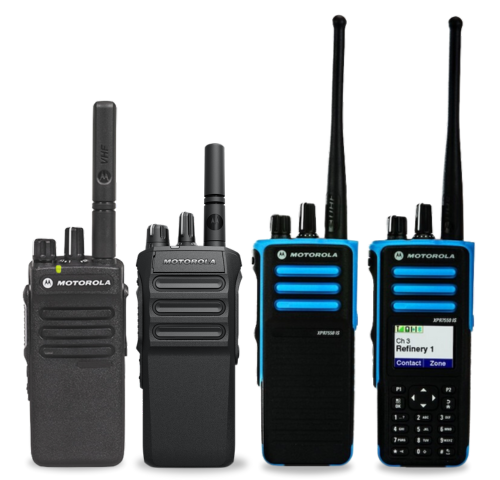


In fast-paced industrial environments where split-second decisions and operational safety are paramount, communication must be instant, clear, and reliable. Walkie-talkies or two-way radios have long been indispensable tools in industries such as construction, manufacturing, logistics, oil and gas, mining and security. However, the true value of walkie-talkie communication doesn’t come from the devices alone—it comes from the support and service offered by a trusted walkie-talkie supplier.
This article examines the vital role that a reputable walkie-talkie supplier plays in maintaining seamless communication in industrial environments, from consultation and equipment selection to after-sales support and ongoing maintenance.
1. Why Industrial Environments Need Robust Communication Solutions
Industries are often high-noise, high-risk, and high-urgency environments. In such conditions:
- Cellular signals are often unreliable in enclosed spaces such as warehouses or underground worksites.
- Smartphones may not be rugged enough for harsh outdoor or industrial environments.
- Delays in communication can lead to downtime, safety hazards, or loss of productivity.
This is where walkie-talkies shine. Their push-to-talk (PTT) capability ensures instant voice communication, and their rugged design allows them to withstand harsh environments. However, choosing the right walkie-talkie is just the start—working with the right supplier ensures that businesses receive the most out of their investment.
2. A Trusted Walkie Talkie Supplier Is More Than Just a Vendor
A reliable walkie-talkie supplier is not just someone who sells radios—they are a communication partner that provides end-to-end solutions tailored to specific industry needs. Their roles include:
a. Consultation and Needs Assessment
A trusted supplier will evaluate your operational needs before recommending a product. This involves understanding:
- The size of the facility
- The number of users and communication channels required
- Whether you need intrinsically safe (IS) devices for explosive environments
- Coverage requirements—indoor, outdoor, or both
- Budget constraints
By doing so, the supplier ensures that the walkie-talkie model you purchase is a perfect fit for your environment and operational workflow.
b. Product Recommendations and Customization
There are many walkie-talkie models on the market, ranging from analog to digital, license-free to licensed, and short-range to long-range devices. A professional supplier helps clients navigate these options and provides:
- Brand recommendations (Motorola, Hytera, Kenwood, etc.)
- Digital vs. Analog comparisons
- Hands-free accessories, batteries, and chargers
- Network integration options (e.g., digital trunking systems or Wi-Fi-enabled radios)
They may also help customize the radios with company-specific channels, voice encryption, and GPS tracking features for fleet management.

3. Technical Expertise and Regulatory Compliance
A knowledgeable supplier ensures that all equipment complies with local telecommunication regulations. In countries such as Malaysia or Singapore, walkie-talkies that operate on certain frequencies require licensing from the relevant authorities (e.g., MCMC in Malaysia).
A trusted supplier:
- Handles licensing applications on your behalf
- Ensures all equipment is certified for legal use
- Helps avoid costly fines and legal complications
Additionally, they provide technical training to ensure your staff can use the devices correctly and efficiently, reducing the chances of misuse and technical issues.
4. Importance of After-Sales Support and Maintenance
Industrial environments are hard on communications equipment. Without proper support, radios can suffer from issues such as:
- Battery degradation
- Signal interference
- Physical damage from drops or water
- Audio clarity problems due to dirt or wear
A reliable walkie-talkie supplier offers comprehensive after-sales service, which includes:
a. Walkie Talkie Repair Services
Instant repair services are essential to keeping your team connected. A trusted supplier provides:
- On-site diagnostics
- Replacement parts
- Fast turnaround repair times
- Loan units to minimize downtime during repairs
b. Maintenance Contracts
For larger operations, suppliers often offer annual maintenance contracts, which include:
- Scheduled equipment checks
- Firmware updates
- Battery replacements
- Performance testing
- Network optimization
This proactive approach ensures minimal disruption and consistent communication.
5. Walkie Talkie Rental Services for Temporary Needs
In certain industries, the need for two-way radios may be seasonal or project-based. A good supplier will offer walkie-talkie rental options with flexible plans for:
- Construction projects
- Outdoor festivals and events
- Security operations
- Emergency response
Rental packages often include accessories, chargers, batteries, and technical support. This allows businesses to save on capital expenditure while maintaining operational efficiency during peak periods.

6. Scalability and Future-Proof Solutions
As your operations grow, so should your communication infrastructure. A reliable supplier helps you scale up without losing communication quality. They assist with:
- Fleet expansion
- Repeater installations for extended range
- Digital migration (upgrading from analog to digital radios)
- Integration with existing systems like CCTV or control rooms
In 2025 and beyond, many suppliers are also offering IP-connected digital radios, PTT over cellular (PoC) options, and software-based dispatch systems that allow for advanced tracking, messaging, and emergency alerts—all managed via a centralised control panel.
7. Industry-Specific Expertise
Different industries have different communication challenges. A trusted supplier often has specialised knowledge and case studies to support businesses in:
a. Construction
- Durable, dust-proof radios with noise-cancelling microphones
- Group and site-wide communication
- Safety alert features
b. Manufacturing
- Multi-channel systems for separate departments (maintenance, safety, logistics)
- Hands-free earpieces for machinery operators
c. Oil & Gas
- Intrinsically safe walkie-talkies (ATEX-certified)
- Emergency communication systems
- GPS-enabled tracking for remote sites
d. Logistics and Warehousing
- Long battery life
- Warehouse-wide coverage
- Real-time team coordination
Having industry-specific experience allows suppliers to recommend proven solutions that have been tested in similar environments.
8. Training and User Education
Purchasing equipment is just the first step. Effective communication also depends on users knowing:
- How to operate the walkie-talkie correctly
- Communication protocols and etiquette
- Emergency use functions (e.g., panic button)
A reputable supplier often provides onboarding sessions, instruction manuals, and troubleshooting guides. This improves user confidence and maximises the value of your investment.
Conclusion
In today’s complex and high-stakes industrial environments, clear and reliable communication can make the difference between smooth operations and costly disruptions. While walkie-talkies provide the technical means, the true success of any communication strategy hinges on choosing the right supplier.
A trusted walkie-talkie supplier is more than a seller—they are a strategic partner who ensures that your communication systems are robust, compliant, cost-effective, and scalable. From expert consultation and equipment customization to ongoing maintenance and training, their role is indispensable in creating safer and more efficient workplaces.
So, whether you’re setting up a communication system for a new industrial project or upgrading an existing network, partnering with a professional walkie-talkie supplier is the smartest move you can make.
Send Us An Enquiry Today!
We offer telecommunication equipment, systems consultancy, integration, and after-sales services.