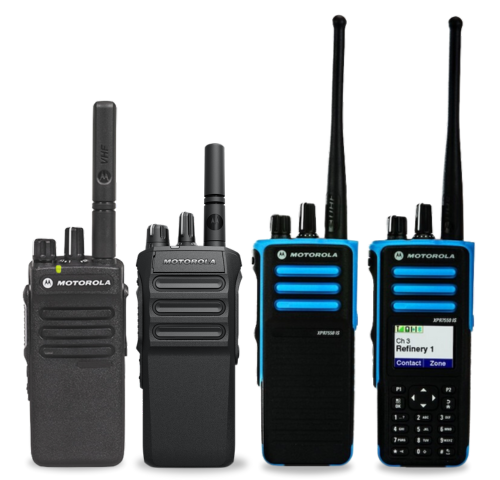


In the demanding world of industrial operations where efficiency, safety, and coordination are critical, walkie-talkies play an indispensable role in ensuring smooth communication. These devices are designed for rugged use, but like all equipment, they are susceptible to wear, damage, and performance degradation over time.
When walkie-talkies malfunction, communication breakdowns can lead to safety risks, workflow disruptions, and costly downtime. That’s why professional walkie-talkie repair services are not just helpful—they are essential for industries such as construction, oil & gas, manufacturing, logistics, and security.
In this article, we’ll explore why professional repair services are important, the risks of DIY or low-quality repairs, and how a trusted repair provider can extend the life of your equipment and ensure continued reliability in the field.
1. The High Stakes of Communication in Industrial Environments
In industrial settings, every second counts. Clear, reliable communication supports:
- Emergency response and hazard prevention
- Efficient coordination among teams
- Reduction in downtime and delays
- Accurate task execution and reporting
A malfunctioning radio—whether it’s due to a faulty battery, poor audio quality, or a broken antenna—can cause major disruptions. In high-risk environments such as mining or offshore rigs, it could even result in accidents or fatalities.
A professional repair service ensures that walkie-talkies are always in optimal working condition, keeping teams connected when it matters most.
2. Common Walkie Talkie Problems in Industrial Use
Even top-tier brands like Motorola, Hytera, or Kenwood are not immune to the challenges of industrial use. Common walkie-talkie issues include:
- Battery degradation: Batteries lose charge faster or fail to hold a charge.
- Audio problems: Distorted sound or failure to transmit/receive audio clearly.
- Broken PTT buttons: Frequent use can wear out the push-to-talk mechanism.
- Cracked casing or screen: Physical damage from drops or heavy handling.
- Water or dust ingress: Even IP-rated devices can develop internal issues if seals are compromised.
- Antenna damage: A bent or broken antenna can affect range and signal clarity.
- Channel or software errors: Digital radios may experience firmware or programming issues.
These issues may seem minor at first, but can escalate quickly, affecting communication across your entire operation.

3. The Risks of Ignoring or DIY-Fixing Walkie Talkies
In an attempt to save costs, some businesses delay repairs or attempt to fix devices internally. However, this can lead to:
a. Further Equipment Damage
Without the proper tools and expertise, DIY attempts can damage internal components or void warranties.
b. Safety Hazards
A walkie-talkie that fails during a crisis or emergency could compromise the safety of workers and violate safety regulations.
c. Inefficiency
Poor audio quality, weak signals, or device failures slow down team response times and reduce productivity.
d. Non-compliance
Tampering with frequency settings or internal hardware may cause devices to operate outside legal bands, potentially leading to regulatory fines.
Choosing professional walkie-talkie repair ensures that your equipment is serviced with precision, care, and compliance in mind.
4. Benefits of Professional Walkie Talkie Repair Services
a. Expert Diagnostics
Professional technicians have experience with various brands and models, allowing them to identify issues quickly and accurately.
They use specialised diagnostic equipment to test:
- Battery health
- Audio clarity
- Signal strength
- Internal circuitry
- Antenna alignment
- Firmware integrity
This ensures a complete understanding of what’s wrong and how to fix it effectively.
b. Use of Genuine Parts
A reputable repair centre uses original manufacturer parts or high-quality compatible components. This guarantees better longevity and avoids compatibility issues.
c. Quick Turnaround
Industrial operations can’t afford prolonged downtime. Professional repair services often offer fast turnaround times, with some providing on-site repair or loaner units while your equipment is being serviced.
d. Warranty Protection
Using authorised repair centres helps maintain your warranty or service agreements. It also gives you peace of mind with repair warranties, ensuring the work is guaranteed.
e. Preventive Maintenance
Professional services don’t just fix current issues—they also identify potential future problems. Many offer preventive maintenance checks to keep your fleet in top condition and reduce future repair costs.
5. What to Expect from a Professional Walkie Talkie Repair Provider
When you engage a reputable repair provider, you should expect:
- Initial consultation and troubleshooting
- Full inspection and testing
- Transparent quotation
- Use of original or approved parts
- Clear documentation of repairs
- Functionality testing before return
- Post-repair support
Some providers even offer fleet-wide maintenance contracts, making it easier to manage large numbers of walkie-talkies without frequent breakdowns.

6. When Should You Send a Walkie-Talkie for Repair?
It’s not always obvious when to send a walkie-talkie in for professional repair. Here are some signs:
- Drastic reduction in range or signal
- The radio won’t power on or hold a charge
- Sound is muffled, distorted, or silent
- Buttons are stuck or non-functional
- Frequent disconnection or channel switching
- Physical damage to the casing or antenna
- Sudden programming or firmware issues
As a rule of thumb, any performance drop that affects communication quality is worth investigating early to prevent further damage.
7. The Cost of Downtime vs. Repair
Some businesses are hesitant to repair walkie-talkies due to financial concerns. But consider the hidden costs of not fixing them:
- Lost productivity when teams can’t communicate
- Safety incidents due to delayed response
- Equipment damage occurs when operators can’t warn others
- Project delays from miscoordination
- Reputation loss from failed logistics or service quality
Walkie-talkie repair is a preventive investment that protects far more than just devices—it safeguards your people, your timeline, and your bottom line.
8. Choosing the Right Walkie Talkie Repair Centre
Not all repair centres are equal. Look for a provider that offers:
- Brand-authorised repair services
- Experience with industrial-grade devices
- Quick diagnostics and honest pricing
- Loaner units during repair
- Nationwide coverage or pickup services
- Positive reviews and service track record
In Malaysia, some suppliers offer end-to-end solutions for business continuity by combining walkie-talkie sales, rentals, and repairs.
Conclusion
In industrial environments, communication is everything. Walkie-talkies are the lifeline of daily operations, ensuring teams can respond quickly, safely and efficiently. But when these devices fail, the consequences can be significant.
That’s why professional walkie-talkie repair services are essential. They go beyond quick fixes to deliver thorough diagnostics, genuine parts, preventive maintenance, and peace of mind.
Investing in professional repair is not just about fixing devices—it’s about keeping your people safe, your operations smooth, and your business productive.
Send Us An Enquiry Today!
We offer telecommunication equipment, systems consultancy, integration, and after-sales services.